If you're buying a home in San Francisco, you'll quickly encounter two common ownership structures: condos and TICs (Tenancies in Common). While they can look nearly identical on the surface, especially in classic San Francisco Victorians and Edwardians, the differences between them are significant. They affect how you finance the purchase, what you pay each month, how easily you can sell, and how much risk you're carrying. The right choice depends less on price and more on your lifestyle, risk tolerance, and long-term plans. Here's what you need to understand before making an offer.
Why Condos and TICs Are Both So Common in San Francisco
San Francisco's housing stock is unlike most American cities. Many of the city's iconic Victorian and Edwardian buildings were constructed as multi-family homes decades before modern condo law existed. As a result, Tenancy in Common structures emerged as a practical way to create individual ownership opportunities in buildings that were never formally subdivided into condominiums. Today, buyers frequently compare:
Condos, which are more common in newer construction and formally subdivided buildings
TICs, which are prevalent in smaller two-to-six unit classic San Francisco buildings
Understanding the distinction before you start making offers can save you from costly surprises later, particularly around financing and legal exposure.
What Is a Condo in San Francisco?
A condominium is a form of real estate ownership in which you hold title to your individual unit outright, along with a shared interest in common areas such as hallways, the roof, and the foundation. Condos are governed by a Homeowners Association, which sets rules, collects dues, and manages shared maintenance and reserves. Typical characteristics of San Francisco condos:
Conventional financing is widely available through standard lenders
Clear title with defined ownership boundaries
HOA dues that cover shared building expenses and reserve contributions
Stronger resale liquidity and a broader buyer pool
Condos are most common in newer construction, mid-rise buildings, and properties that have completed the formal San Francisco condo conversion process.
What Is a TIC in San Francisco?
A TIC, or Tenancy in Common, is a shared ownership structure in which multiple owners collectively hold title to an entire building. Rather than owning a specific unit outright, each owner holds a defined percentage interest in the whole property, along with an exclusive right to occupy a particular unit governed by a TIC agreement. TICs gained popularity in San Francisco as a pathway to ownership in buildings that have not completed condo conversion, and financing options for TIC buyers have improved meaningfully over the past decade. Typical characteristics of San Francisco TICs:
Purchase prices that are often lower than comparable condos in the same building type
Specialized financing requirements, including TIC-specific loan products
Shared responsibility for property expenses among co-owners
Greater reliance on cooperation and clear legal agreements between owners
Condo vs. TIC: The Key Differences
Ownership structure: Condo owners hold individual unit title. TIC owners hold a percentage share of the entire building with an exclusive occupancy right to a specific unit. Financing: Condos qualify for standard conventional loans through most lenders. TICs require specialized TIC or fractional loan products from a narrower set of lenders experienced with San Francisco's market. Down payment: Condo purchases commonly require 10 to 20 percent down. TIC purchases typically require 20 to 30 percent or more depending on the lender and building. Monthly costs: Condo HOA dues are set by the association and relatively predictable. TIC shared expenses are governed by the TIC agreement and can vary based on co-owner decisions and unexpected building costs. Resale: Condos sell to a broader buyer pool with easier financing. TICs have a smaller buyer pool and require more buyer education, which can extend time on market. Risk profile: Condos carry lower structural and legal complexity. TICs carry more dependence on co-owner relationships, the quality of the TIC agreement, and the financial behavior of other owners in the building.
Financing: The Most Consequential Practical Difference
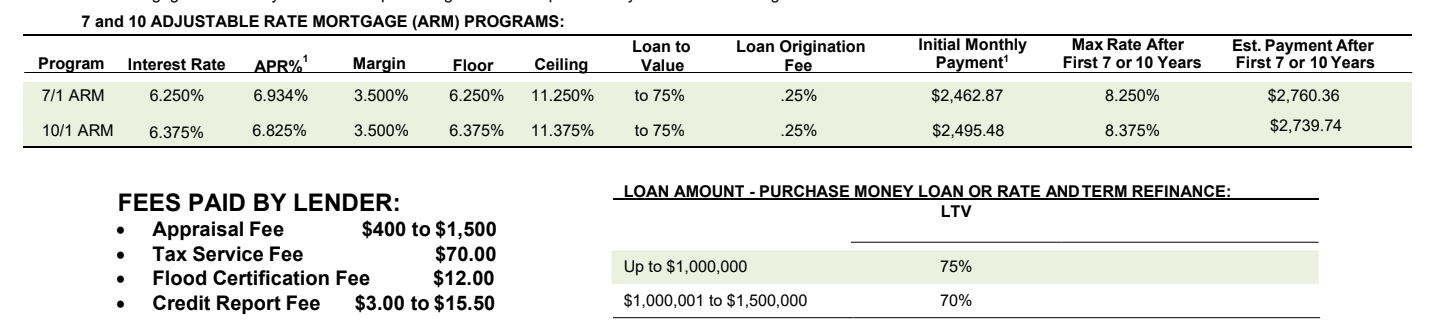
For most buyers, financing is where the condo-versus-TIC decision becomes most concrete. Condos typically qualify for Fannie Mae and Freddie Mac conventional loans, assuming the building itself meets agency guidelines around owner-occupancy rates, litigation status, and reserve funding. Rates are competitive and lender options are broad. TICs require a different approach:
TIC-specific or fractional loans, offered by a smaller set of Bay Area lenders familiar with the ownership structure
Higher down payments, often in the 25 to 30 percent range
Interest rates that are typically somewhat higher than conventional condo financing
Additional lender scrutiny of the TIC agreement itself
A few lenders have established strong track records with San Francisco TIC financing. Working with one of them, and engaging them before you write an offer, is essential. Financing terms directly affect your monthly payment, your qualification, and ultimately your competitiveness as a buyer.
What the TIC Agreement Actually Governs
The TIC agreement is the legal document that defines how co-owners share the building. A well-drafted agreement covers:
Which unit each owner occupies exclusively
How shared expenses like insurance, taxes, and maintenance are allocated and collected
What happens if one owner wants to sell, defaults, or stops paying
How decisions about the building are made when owners disagree
The quality of this document varies significantly. Buyers purchasing into an existing TIC should have a real estate attorney review the TIC agreement before closing. Buyers forming a new TIC with co-purchasers should have an attorney draft it from scratch rather than using a generic template.
Condo Conversion: Can a TIC Become a Condo?
San Francisco has a condo conversion lottery and bypass program administered by the city. Buildings with two to six units that meet certain eligibility criteria can apply to convert TIC units into individually titled condominiums. Conversion eligibility and timelines have changed over the years and depend on building size, owner-occupancy history, and other factors. Some TIC buyers purchase with conversion as a long-term goal, which can increase resale value and expand the future buyer pool. Others buy with no expectation of conversion and price accordingly. Understanding where a specific building stands in the conversion process, or whether it is even eligible, is a key part of TIC due diligence.
Monthly Costs & Ongoing Expenses
Condos
Monthly HOA dues
HOA-managed reserves
Clear budgeting and disclosures
TICs
Shared maintenance costs
Decisions made collectively by owners
Less formal reserve planning in some cases
Neither structure is inherently better—but predictability matters for many buyers.
Legal, Risk, and Exit Considerations
Condos benefit from standardized governance and clearer exit paths. TICs rely heavily on:
The quality of the TIC agreement
Financial stability of co-owners
Clear dispute resolution provisions
Buyers should also understand that not all TICs convert to condos, despite common assumptions. Conversion rules change, and outcomes are never guaranteed.
I recommend using Sirkin Law for TIC agreements.
Who Should Buy a Condo vs a TIC?
Condos may be a better fit if you:
Want more standard financing
Prefer predictable costs
TICs may be a better fit if you:
Want more space or classic architecture
Are comfortable with shared ownership dynamics
Have flexibility with financing
Common Buyer Mistakes I See
Choosing based solely on purchase price
Not understanding financing limitations
Ignoring resale implications
Assuming TICs are “basically the same” as condos
Not reviewing governing documents carefully
These mistakes are avoidable with the right guidance early in the process.
Final Thoughts: There’s No “Better” Option—Only a Better Fit
Condos and TICs both play important roles in San Francisco’s housing market. The right choice depends on your finances, goals, and comfort with risk—not just what looks best online.
Working with an agent who understands both structures deeply can help you avoid costly missteps and make confident decisions.
Get a free consultation to learn more
Get in touch at caleyzheng.com and I can help chat through the specific pros and cons of each property type.
